The short answer
Igatpuri has three distinct seasons: a long, heavy monsoon from about June to September, when the hills are green and often wrapped in mist; a dry, pleasant winter from November to February; and a warmer spell from March to May. It is the wettest part of Nashik district, averaging close to 3,000 mm of rain a year at the local rain gauge.
The year at a glance
The table below shows modelled monthly averages for the Igatpuri area. They are a good guide to the shape of the year; actual conditions vary with altitude and exposure, and the measured rainfall total is higher (see below).
| Month | Avg high | Avg low | Rain | Rainy days |
|---|
| January | 30°C | 15°C | 1 mm | under 1 |
|---|
| February | 32°C | 17°C | 1 mm | under 1 |
|---|
| March | 35°C | 20°C | 2 mm | under 1 |
|---|
| April | 37°C | 22°C | 4 mm | under 1 |
|---|
| May | 36°C | 24°C | 20 mm | 1 |
|---|
| June | 31°C | 24°C | 374 mm | 8 |
|---|
| July | 28°C | 23°C | 651 mm | 17 |
|---|
| August | 27°C | 23°C | 548 mm | 16 |
|---|
| September | 29°C | 22°C | 296 mm | 10 |
|---|
| October | 32°C | 21°C | 87 mm | 3 |
|---|
| November | 32°C | 19°C | 20 mm | 1 |
|---|
| December | 30°C | 16°C | 6 mm | under 1 |
|---|
Modelled averages, 1991–2020 (Foreca / Copernicus C3S, via weather-and-climate.com). Rounded.
Monsoon: June to September
The India Meteorological Department’s normal monsoon onset date is 11 June for Mumbai and 10 June for Pune. IMD does not list a separate date for Igatpuri; nearby Ahmednagar’s normal onset is 12 June. Actual dates move by days or weeks from year to year. Once the monsoon sets in, Igatpuri receives the bulk of its year’s rain in four months. In the modelled averages, July alone brings about 650 mm over roughly 17 rainy days, and June to September together account for over 90% of the annual total, in line with the district-wide pattern.
The measured figure is higher still. A twenty-year analysis of rain-gauge records for Nashik district (1998–2017) found Igatpuri had the highest average rainfall of its 15 stations, at 2,991 mm a year, well ahead of Trimbakeshwar at 2,072 mm.
This is the season the town is known for: mist-covered hills, quiet roads and cool, wet air. It is also the season to respect. In July 2026, heavy rain brought a landslide down on the old Kasara ghat road, blocking traffic until one lane was cleared. Check conditions before you drive on the heaviest days.
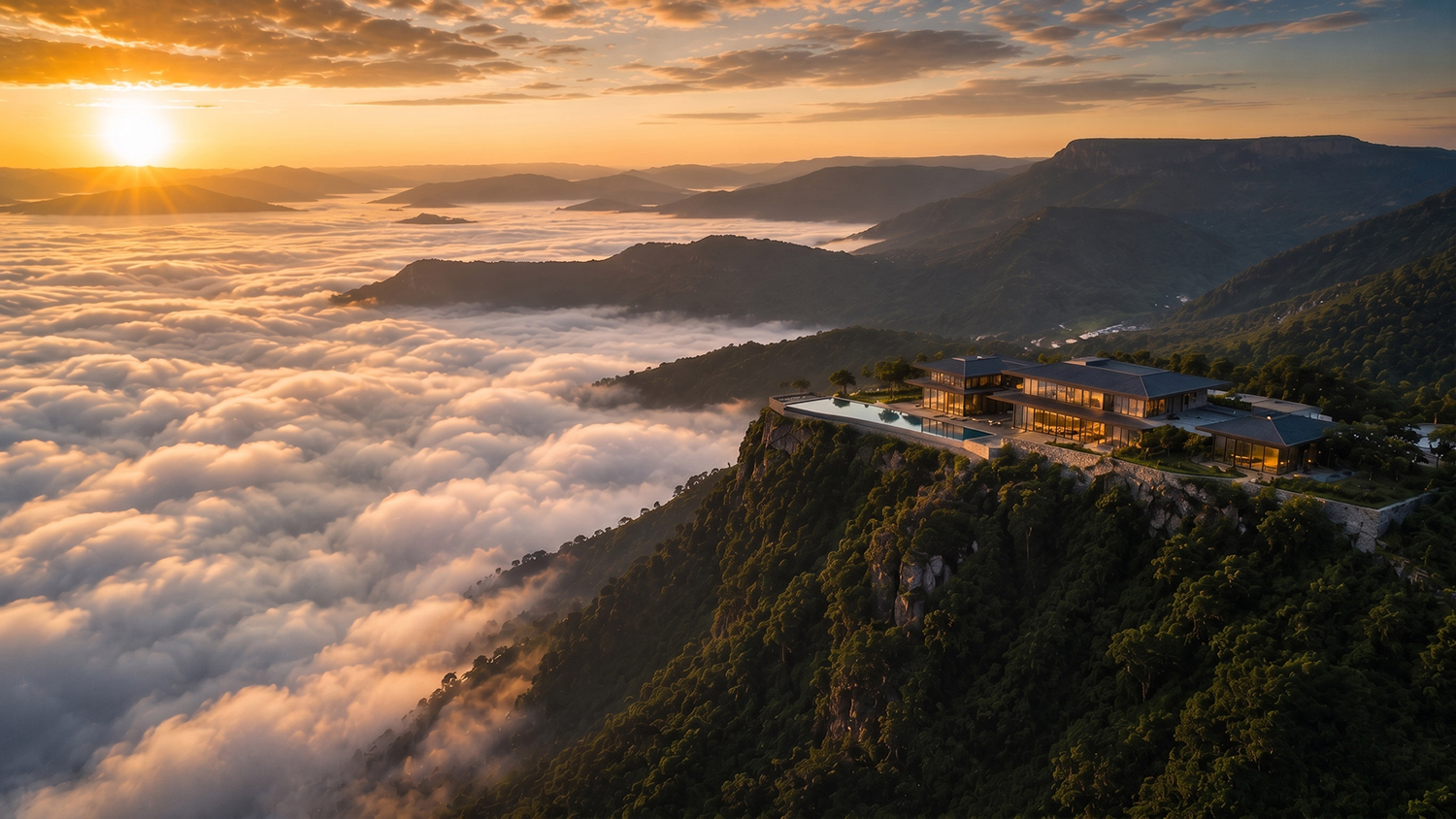
Mist season in the hills.
Why the two rainfall figures differ
The modelled table puts annual rain at about 2,000 mm; the rain gauge averaged 2,991 mm. The difference is normal. Modelled climate data describes a grid square and smooths out local extremes, while a gauge measures what actually falls at one spot. On the windward edge of the Sahyadri, where moist monsoon air is forced upwards, totals can change sharply over short distances. Use the table for the rhythm of the year and the gauge figure for how much water to plan for.
Altitude and the ghat
Igatpuri sits at the top of the Thal ghat. The railway climbs from about 289 m at Kasara to about 585 m (1,918 ft) at Igatpuri, a rise of roughly 300 m in a short distance. That height is a large part of why the town feels different from the plains below: cooler air, lower cloud, and the mist that gives the area its character in the rains. Fog Cielo stands higher again, at about 2,100 ft.
Retreat: October
IMD’s normal withdrawal dates are 8 October for Mumbai and 11 October for Pune. October in Igatpuri is a transition month: the landscape is still green, rain falls on only a few days, and afternoons warm up again to the low thirties in the modelled averages.
Winter: November to February
This is the clearest, driest stretch of the year. Rain is almost absent from December to February, days are comfortable at around 30°C, and nights cool to about 15–17°C in January and February. It is the easiest season for site visits, construction work and long walks.
Warm months: March to May
Temperatures climb through March and April, peaking at an average high of about 37°C in April in the modelled data, before pre-monsoon showers begin in May. Nights stay warmer too, with lows in the low-to-mid twenties.
For a weekend home, a simple calendar works well: the monsoon for the views and the weather that brings people up from the city, the winter for outdoor living, gardening and hosting, and the warm months for early mornings and late evenings outdoors, with the middle of the day spent in the shade.
What it means for a home here
| If you are… | Plan for |
|---|
| Buying a plot | Visit once in the monsoon and once in winter. The monsoon shows drainage, access and views in their most demanding season. |
|---|
| Building a villa | Schedule heavy site work for October to May, when rain is rare. |
|---|
| Designing the house | Deep overhangs, covered outdoor space and careful waterproofing for a very wet four months. |
|---|
| Using it as a weekend home | Expect most weekends of the year to be usable; a few peak-monsoon days may call for caution on the roads. |
|---|
Fog Cielo sits at about 2,100 ft, a gated estate of about 83 NA plots with 12 m concrete roads, underground electricity and 24x7 water. The developer estimates about 45 minutes from the Amane interchange of the Samruddhi Mahamarg. Weekend home plots near Mumbai → Villa plots in Igatpuri →
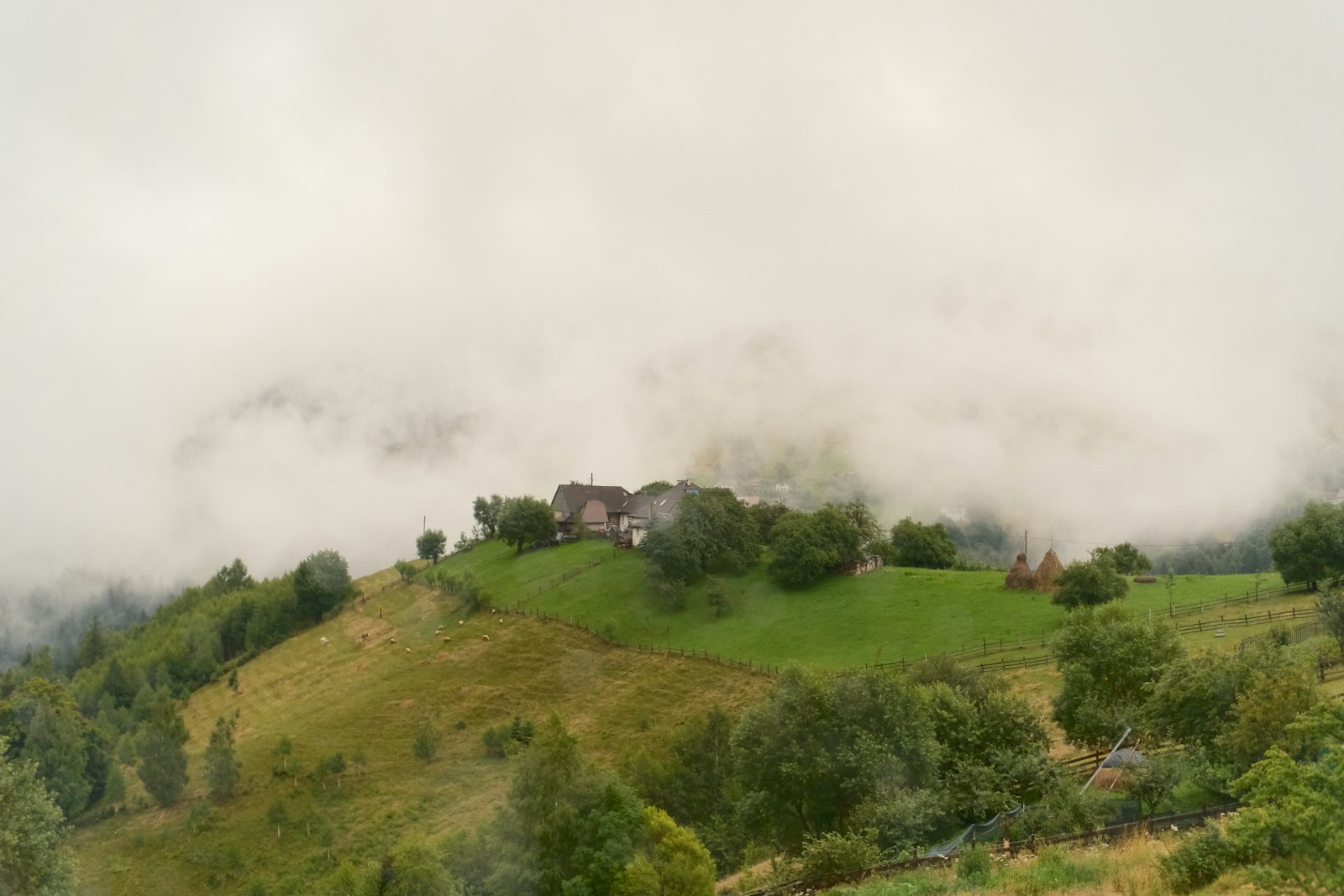
Artist’s impression of a villa at Fog Cielo.
Sources
Keep reading